War Thunder Air Battles: Positioning, Energy, and Target Selection
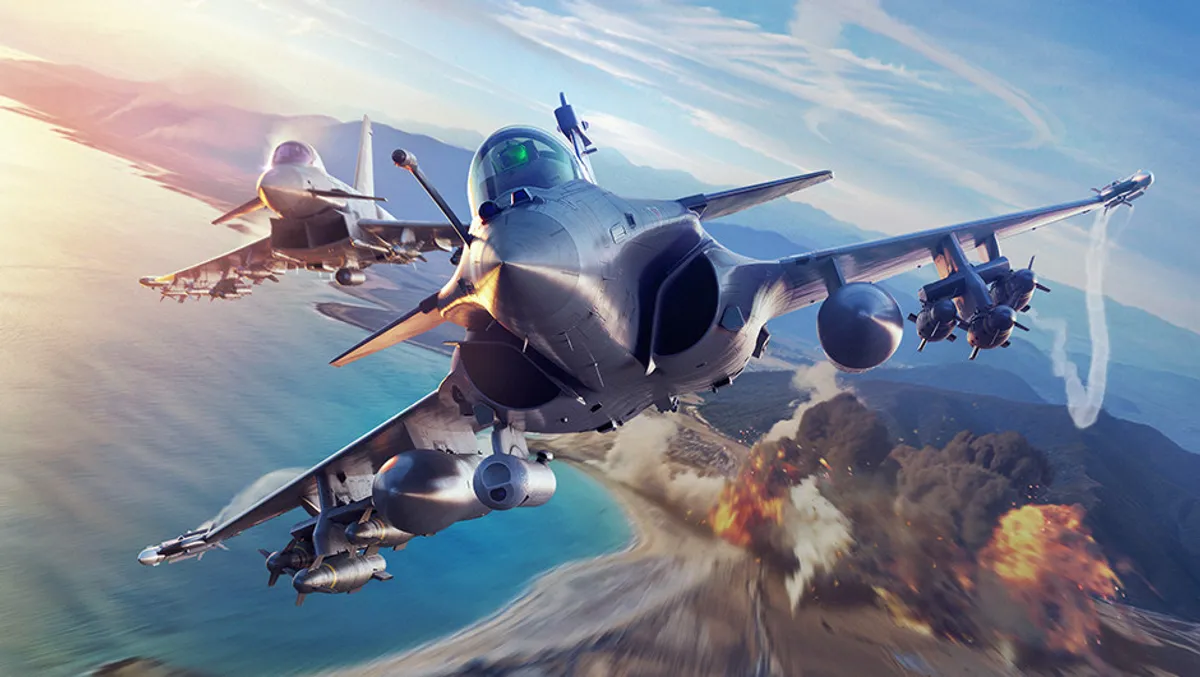 DOGFIGHT TIPS
Identify your aircraft’s job
Aircraft differ in climb, acceleration, turning ability, armament, and durability. A fighter built to retain speed may lose its advantage in a prolonged horizontal turn, while a maneuverable aircraft can punish an opponent who commits to a slow circle. Attackers and bombers have different objectives and vulnerabilities. Read the aircraft card and test drive to understand the machine before a serious match.
Air Arcade and Air Realistic have different flight and respawn rules, so advice does not transfer perfectly between modes. Matchmaking, objectives, and aircraft performance can also change with updates. Use the current mode’s interface and mission objectives as the reference.
Manage energy and position
Energy in an air fight is the ability to maneuver, shaped by speed and altitude. Climbing can provide potential energy; speed gives room to maneuver and escape. Hard turns, steep climbs, and aggressive corrections can bleed speed. Before chasing, ask whether the target is slow enough to catch and whether another enemy can attack you.
A common approach for a faster aircraft is to make an attack pass, preserve speed, and extend away before re-engaging. A turn-focused aircraft may prefer to force an opponent into a sustained maneuver, but only when surrounding threats permit it. These are general ideas, not universal tactics: aircraft, altitude, and team state matter.
| Situation | Safer question | Possible response |
|---|---|---|
| Enemy above you | Can you avoid a predictable climb? | Keep speed and use teammates or cover |
| Target is turning | Does your aircraft win a sustained turn? | Commit only if you retain an exit |
| Head-on approach | Is the trade worth the risk? | Break off if your aircraft cannot absorb damage |
| Target fleeing | Can you catch it without losing awareness? | Disengage if the chase separates you from support |
| Low-altitude fight | Is terrain limiting maneuver room? | Avoid steep pulls that sacrifice control |
Keep awareness wider than the gunsight
Use free look and the minimap to track threats, allies, and objective movement. Fixating on one target can lead you into another enemy’s firing line. Check the kill feed and team situation before diving after an isolated opponent. If outnumbered, joining a friendly group or repositioning may be more valuable than forcing an attack.
Use clouds, terrain, and sun position thoughtfully, but do not assume concealment is absolute. Visibility and spotting differ by mode. Communicate useful enemy locations if supported, and avoid repeatedly chasing a target into the same dangerous area.
Aim for a controlled firing window
Gun convergence and ammunition affect your firing window. Set convergence to a distance suited to your engagements, then practice in test flight. Convergence matters most for wing-mounted guns that meet at a selected range; nose-mounted weapons have different geometry. Fire in controlled bursts to conserve ammunition and avoid overheating where applicable.
Lead a target based on direction, speed, range, and your own movement. Do not hold fire continuously while making large corrections. A short burst from a stable position is more likely to connect than a long stream while overshooting. Learn which ammunition belts fit your aircraft and adjust for air or ground targets.
Know when to disengage
A successful pilot chooses fights. If you have lost speed, are outnumbered, or are separated from teammates, take a safe route to regain position. Avoid a straight predictable flight with an enemy behind you; make controlled defensive maneuvers while moving toward support. At low altitude, watch terrain and avoid pulling so hard that you lose control.
After a match, review why engagements failed. Were you too low, too slow, or fixated? Did you choose a turning fight against a faster opponent? Did ammunition or convergence suit the aircraft? Change one habit at a time and practice it in the relevant mode. Air combat improves through repeatable decisions: maintain usable energy, preserve awareness, make brief attacks, and leave before a bad position becomes unrecoverable.
Adapt the plan to the match
A fighter’s ideal opening depends on its climb and armament, but the whole team state matters too. Avoid climbing alone into a group of enemies or diving so far from allies that no one can support you. If your team has altitude advantage, help preserve it by pressuring opponents who try to climb; if your team is scattered, regroup instead of starting an isolated chase.
Attackers and bombers should also watch the mission objective and threat routes. Reaching a target is not useful if you cannot return or if the route exposes you to multiple fighters. Choose an approach that accounts for altitude, enemy position, and a possible exit. Learn from replay or hit-camera information when available, and adjust one decision in the next sortie. Staying alive with a useful position gives you more chances to contribute than a risky first pass.