Raid: Shadow Legends Clan Boss Team Building for New Accounts
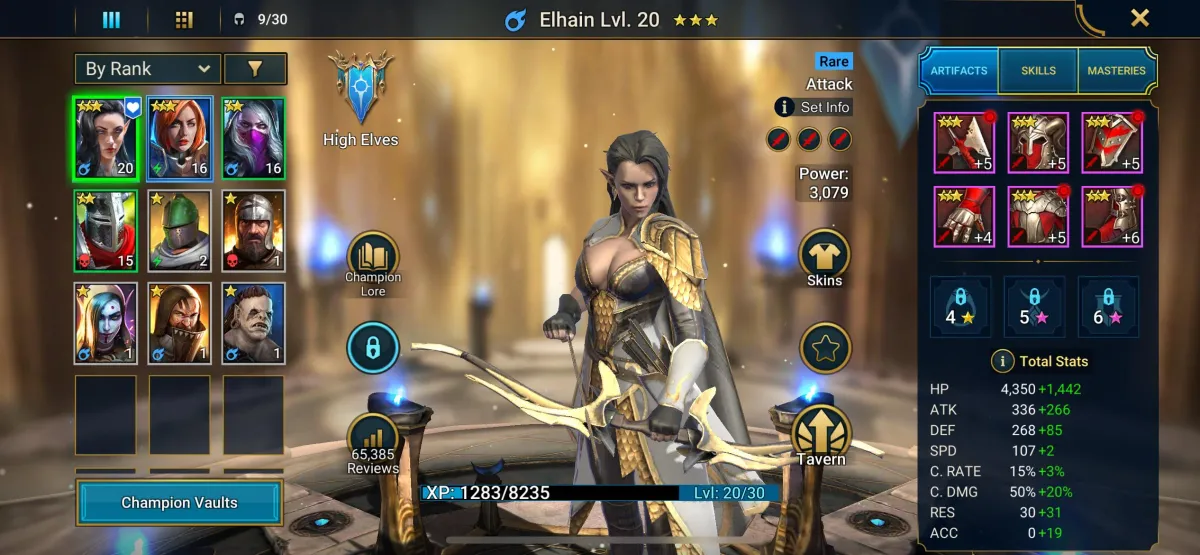 CLAN BOSS TEAM
Understand the encounter first
Clan Boss is a long-form boss fight where the team earns chest rewards based on damage dealt and uses keys to challenge the boss. The best early goal is repeatable contribution across a full battle, not a showcase opening hit. A champion who survives and acts for many turns may contribute more than a fragile attacker with impressive burst.
The Demon Lord’s attacks and affinity change with difficulty. Affinity interactions can affect weak hits, debuff reliability, and incoming damage, so a team working on one affinity may need a substitution on another. Check the boss information and battle report to see what is happening.
Cover the core roles
A developing team benefits from a blend of damage and utility. Effects can include Decrease Attack to reduce incoming danger, Decrease Defense and Weaken to improve damage, Poison or HP Burn for sustained damage, and healing, shields, or ally protection to last longer. Decrease Speed can matter when the encounter and champion kit make it useful. Not every team can apply everything, and some champions fill multiple jobs.
| Team need | Why it matters | What to inspect |
|---|---|---|
| Survival | More turns mean more damage opportunities | Heals, shields, ally protection, Defense, speed order |
| Debuff coverage | Reduces danger or increases damage | Whether effects land and remain active |
| Sustained damage | Contributes through a long battle | Poison, HP Burn, boss-relevant damage |
| Turn control | Keeps actions coordinated | Speed buffs, turn meter, cooldown timing |
Do not fill a slot only because a tier list calls a champion strong. Read skill descriptions, check whether an effect is single-target or area-wide, and see if its duration fits the team.
Make the turn order coherent
Speed is a team stat. If your debuffer acts after your damage dealer, the opening hit misses the benefit. If a speed boost causes champions to lap or drift relative to the boss, cooldown timing can become unpredictable. Early teams do not need a sophisticated tune, but they should have a deliberate sequence: setup effects first, damage afterward, and enough durability to survive.
For precise tunes, use a trusted calculator or current guide for the exact difficulty, skill assumptions, and champion speeds. Never copy a target without checking assumptions. Gear, masteries, and turn-meter effects can alter timing. For a developing team, consistency is more useful than a theoretical arrangement you cannot reproduce.
Progress with gear and masteries
Accuracy matters for debuffs that can be resisted. If Poison or Decrease Attack fails, improve the responsible champion’s Accuracy before adding Attack. Defense, HP, and Speed keep champions active. Lifesteal gear can support early survivability for some teams, but it is not universal; healing and Leech effects change the best setup.
Masteries from Minotaur’s Labyrinth can improve long fights. Scroll farming costs energy, so prioritize champions central to several teams or Clan Boss. Warmaster and Giant Slayer are tier-six offensive masteries used in sustained boss builds, but which fits depends on the champion’s hit pattern. Check the kit and mastery tree rather than selecting by name alone.
Diagnose from the battle report
Compare damage by champion, turns survived, and debuff uptime. If the team dies early, improve durability or a relevant defensive effect. If debuffs fail, address Accuracy, affinity, or skill availability. If a champion contributes little, check whether they are too slow, built for the wrong role, or missing a useful mastery.
Make one change at a time when possible. Replacing several champions and all gear at once makes it hard to identify what helped. Track your best repeatable setup and use keys when you can give a meaningful attempt. Clan Boss progression comes from complementary effects and a stable team, not a roster of isolated high-rarity champions.
Improve with small, testable changes
If you are unsure whether survivability or damage is the bigger problem, compare the team across repeated attempts and note when the first champion falls. A run ending before the boss’s later attacks points toward durability or turn-order issues. A long run with low damage may need better debuff uptime or more appropriate damage skills. Affinity shifts can muddy a comparison, so test on the same boss affinity when possible.
Keep the champion roles flexible as your roster improves. A new reviver or ally protector may allow you to replace a redundant damage slot; a reliable debuffer may free another champion for sustained damage. Reassess after masteries and gear upgrades, since those changes can improve an existing team more efficiently than building a completely new lineup.