Farlight 84 Hero Roles Explained: Assault, Guerrilla, Scout and Support
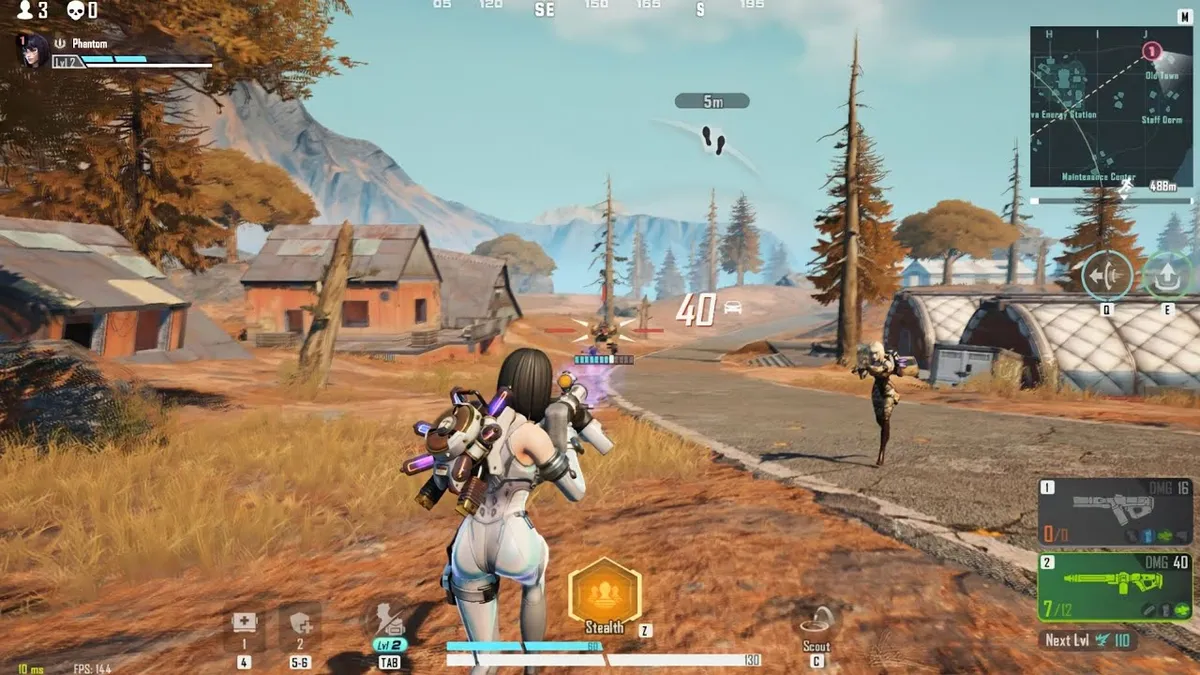 PICK YOUR HERO
Farlight 84 is not just a gun game. Your hero’s abilities often decide fights before the first bullet lands. Heroes are grouped into four roles, and understanding them helps you pick a character and build a squad that covers each other’s weaknesses.
The Four Roles at a Glance
| Role | Identity | Level bonus (general) | Example heroes |
|---|---|---|---|
| Assault | Fast, aggressive damage dealers | Movement-focused growth | Maggie, Beau, Lucinda |
| Guerrilla | Frontline durability | Extra health growth | Ember, Captain, Watchman |
| Scout | Information and tracking | Detection tools | Phantom, Yong |
| Support | Healing, reviving, buffs | Faster revives | Ceanna, Maychelle, Momoi |
Hero rosters and balance change over time, so check the in-game hero page for current abilities. The principles below stay constant.
Every Hero Has Three Tools
- Passive trait: always active, shapes how you play the whole match.
- Tactical ability: short cooldown, used repeatedly in a fight.
- Ultimate: high impact, long charge. Save it for decisive moments.
The best players treat the tactical ability as a normal part of their rotation rather than a panic button.
Assault: Take Space
Assault heroes thrive when they are the first to engage. Their tools reward flanking, burst damage and speed.
Play them like this:
- Pick fights where you can start with a shot and an ability together.
- Use movement to approach from an unexpected angle rather than straight on.
- Do not chase after the fight is lost. Retreat while your cooldowns recover.
Weakness: low margin for error when your team is not around to trade damage.
Guerrilla: Hold Space
Guerrilla heroes absorb damage and control chokepoints. They are the heroes you want when a squad needs to push into a building or hold a final circle.
- Stand slightly ahead of teammates but not so far you cannot be revived.
- Use abilities that block or deny space before the enemy peeks.
- Think of yourself as the tool that makes your team’s damage safe.
Weakness: reduced mobility and reliance on teammates to finish fights.
Scout: Win With Information
Scouts see what others cannot. Marking, tracking and trapping let a squad fight on its own terms.
- Use scanning abilities before you enter a building, not after you take damage.
- Call out what you see. Information only helps if teammates hear it.
- Hold back a little. A scout who dies early takes the squad’s vision with them.
Weakness: their value is indirect, so aim still matters.
Support: Keep the Squad Alive
Supports heal, revive and buff. A good support is the reason a squad survives a bad fight.
- Revive when it is safe, not just when it is possible. Cover the downed player first.
- Heal before the next fight begins, not during it.
- Stay close to the damage dealers but behind cover.
Weakness: you need teammates to deliver the kills.
Building a Squad
A balanced squad is stronger than a pile of favourite heroes. Here are some sample combinations.
Four-Player Squad
- 1 Assault, 1 Guerrilla, 1 Scout, 1 Support. Covers every need.
Trio
- Assault + Guerrilla + Support. You sacrifice scouting for stronger pushing and recovery.
Duo
- Pair a damage dealer with a support or frontliner. In a duo, you cannot afford two squishy heroes.
Matching Hero to Playstyle
Ask yourself how you tend to die:
- You die running into fights: try a Guerrilla for a more forgiving frontline.
- You die because you did not see the enemy: a Scout fixes that.
- You win duels but lose rounds: a Support will convert more of your wins into squad survival.
- You want a fast, aggressive style: choose Assault.
Meta Thinking Without Chasing Tier Lists
Tier lists are useful, but:
- A hero you play well beats a higher-tier hero you do not.
- Squad synergy often matters more than raw strength.
- Balance changes can shift the picture. Reconfirm after any major update.
Instead of copying the top pick, track your own results: how often do you win fights with each hero, and which abilities do you actually land?
Common Mistakes
- Using an ultimate the moment it is ready regardless of context.
- Picking the same role as every teammate.
- Ignoring the passive trait.
- Playing a support but never reviving.
- Treating a scout like a sniper and sitting far from the squad.
Practice Routine
- Play five Team Deathmatch matches with one hero and note cooldown timings.
- Move to a squad queue and commit to a role.
- After each match, ask one question: did my ability change the fight?
Conclusion
Hero roles are the foundation of Farlight 84 strategy. Learn what each role is meant to do, build squads that cover each other, and pick the hero who suits your habits. Combine this with a reliable weapon from our tier list and you will see results in your next ranked session.