AFK Journey Strategy: Faction Advantages and Team Composition
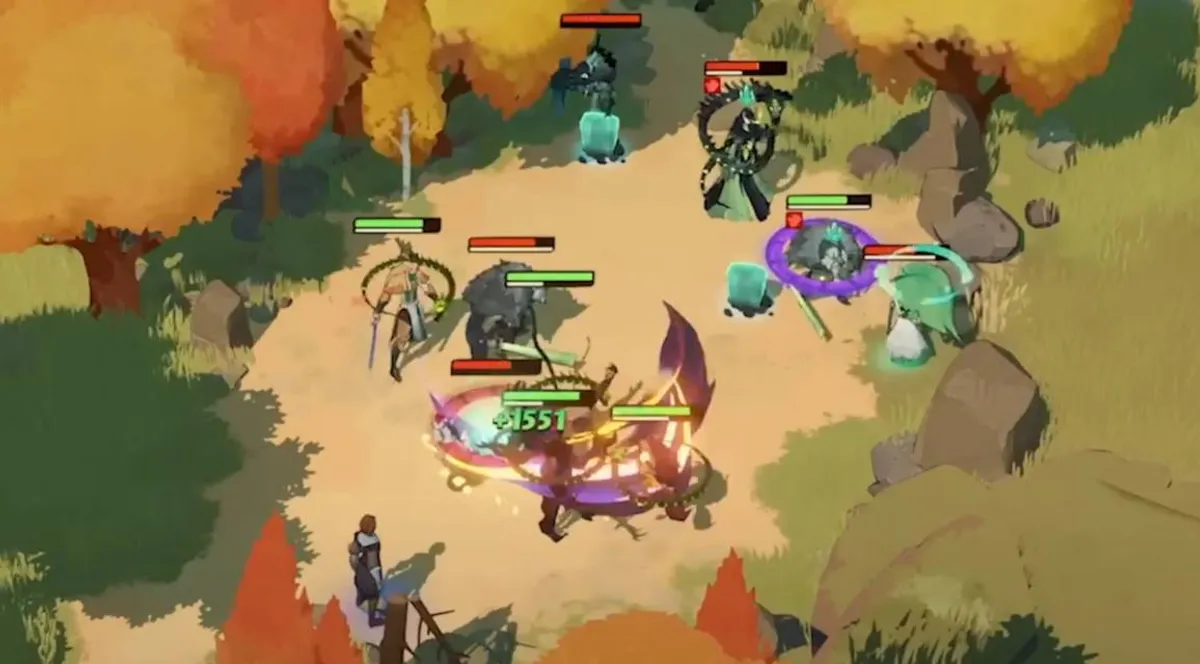 FACTION POWER
Winning in AFK Journey is about more than stacking your highest-level heroes. Positioning, faction advantages, and synergies often decide close fights. This guide covers evergreen composition principles that remain useful across balance changes.
The faction system
Heroes belong to one of several factions: Lightbearer, Wilder, Graveborn, Mauler, Celestial, and Hypogean. The first four are connected by a cycle of advantages, where each is stronger against one and weaker against another. Celestial and Hypogean have an advantage against one another.
Faction advantage grants extra strength in combat, so when you know your opponent’s lineup, you can adjust yours to gain an edge. In PvE, stages often have a clear faction makeup, which you can exploit.
Faction bonuses on your team
Teams can also gain bonuses when they include multiple heroes from the same faction. Typically, the more heroes of a faction you include, the greater the benefit. This makes mono-faction or two-faction teams attractive, but it must be balanced against what the lineup needs.
Consider:
- A team of one faction gets maximum faction bonus but may lack roles.
- A mixed team is flexible but loses bonus strength.
- Two-faction teams are a common compromise.
Roles in a lineup
A typical five-hero team includes a frontline and a backline.
| Position | Roles | Purpose |
|---|---|---|
| Frontline | Tank, warrior | Absorb attacks and protect the backline |
| Backline | Mage, marksman, support | Deal damage and provide healing or buffs |
Heroes in the front are targeted first, so a durable character there buys time for your damage dealers.
Building a balanced composition
Follow these steps:
- Choose your main damage source. This might be a mage or marksman who scales through the fight.
- Add a durable tank that can survive the early burst.
- Include a support who heals, buffs, or controls enemies.
- Fill remaining slots with heroes that complement your plan, such as another damage dealer or a second frontliner.
- Check faction synergy and adjust.
Common archetypes
- Sustain teams: rely on healing and durable frontliners to outlast enemies.
- Burst teams: rely on rapid damage to eliminate key targets before they act.
- Control teams: use crowd control to prevent enemies from acting.
- Balanced teams: a safe approach that adapts to many opponents.
Different modes favor different types. The Arena rewards burst and control, while long PvE fights often reward sustain.
Hero synergies
Look for skills that interact. Examples of useful synergies in general terms:
- A support who grants energy or buffs to a damage dealer.
- A tank who draws attacks while a mage uses area spells.
- Heroes whose skills combine to apply or amplify debuffs.
Read hero descriptions and test combinations in lower-stakes content before taking them to the Arena.
Positioning
Where heroes stand matters. Place fragile heroes in the back and tough ones in front. Consider how enemies reach your backline. Some enemies leap or target the weakest hero, so your arrangement should account for them.
Equipment and upgrades
Strategy cannot replace power. Prioritize:
- Levels and ascension for your core heroes.
- Equipment that fits each hero’s role.
- Artifacts or similar items that offer team-wide benefits, if available.
Do not spread resources. A strong core is better than a diluted roster.
Adapting to opponents
In PvP, review the enemy’s team before the fight if the game shows it. Adjust by:
- Changing a hero to gain faction advantage.
- Swapping a damage dealer for a tank, or the reverse.
- Rearranging positions to protect weak points.
In PvE, learn the mechanics of the boss or stage and adapt your team as needed. Some bosses punish particular playstyles.
Mistakes to avoid
- Placing all damage dealers with no frontline.
- Ignoring faction advantages when they are obvious.
- Chasing a meta team without the heroes to support it.
- Never changing your lineup between modes.
- Overlooking the support slot.
Conclusion
Team building in AFK Journey comes down to balance, synergy, and adaptation. Understand the faction system, give your team a solid frontline, support your damage dealers, and adjust as you learn. These principles will keep your teams strong across updates and new hero releases.